



Beskrivning
Beskrivning
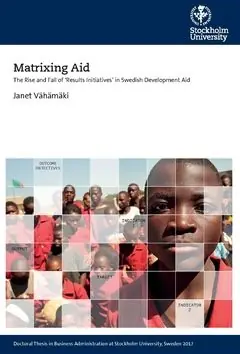
Obtaining knowledge on whether and how aid contributes to resultsis considered important for decision making and planning, but alsofor continuous public support for aid. This dissertation examineshow a public aid agency, Sida, has operationalized the demand todemonstrate results since the 1960s. Why has there been an increaseddemand for results at some times in history? And why does there seemto be a greater acceptance at other times that demonstrating exactresults might not be possible?This dissertation contributes to knowledge on the reasons behind thequest to report on results but also on what happens when resultsare not reportable. Four similar ‘results initiatives’, launched andimplemented within Sida in 1971, 1981, 1998 and 2012 are studied.It is shown that despite that all four initiatives have encountereddifficulties with non-use of the results information, the initiativeshave been a way to show that the organization is doing the best it canto demonstrate results. Since the mere feeling of doing, or wish to do,good for someone else is for many people sufficient “payment” of aid,it is argued that in the end it is not only the knowledge of exact resultsthat matters for continuous trust and support for aid.